
Every phrase has a story.
Why do we pop our clogs, or go beyond the pale? Peter Ryding’s Well I Never Knew That! books dig up the surprising history behind the things we say every day – and you’ll find yourself saying “Well, I never knew that!”
“Pop your clogs”
To “pop” something meant to pawn it. When a mill worker died, their clogs – worn to stop sparks in the factories – were popped at the pawnbroker’s for cash.
Well, I never knew that!
The books
Five illustrated hardbacks, each packed with fascinating facts and the real stories behind everyday phrases. Read them cover to cover, dip in on the sofa, or use them as a quiz over dinner.
Grab individual books on sale for £19.99 (plus £5 shipping), or bundle all five for just £85 plus £10 shipping to save nearly £30 overall!
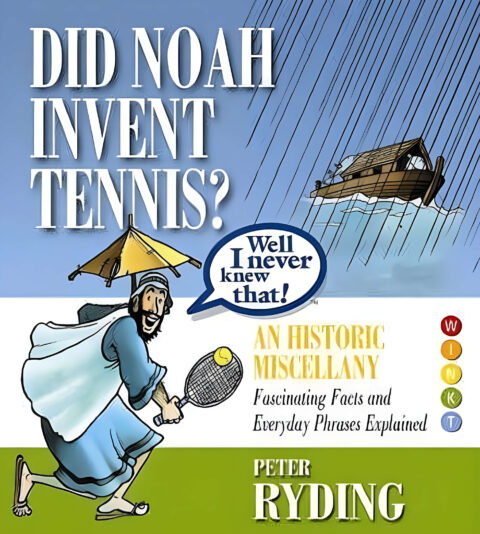

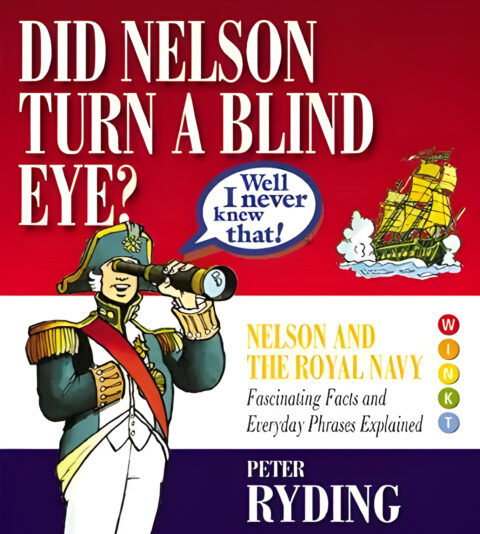
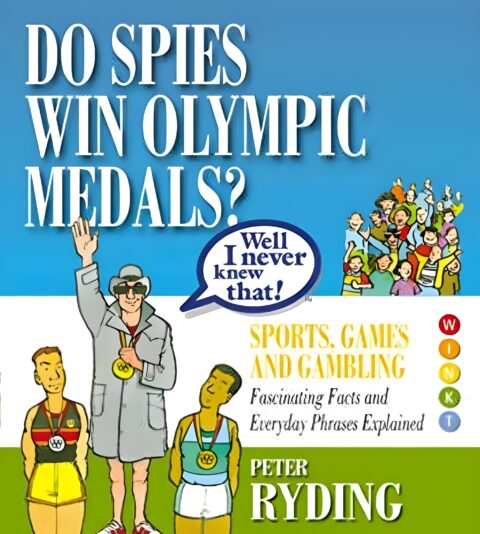
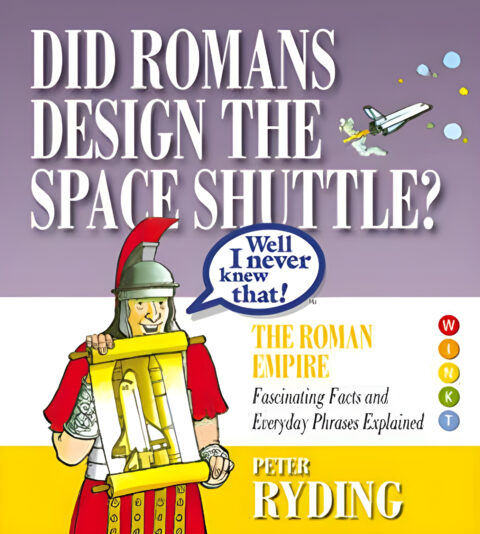
eBooks eBook editions are coming soon. For now, every title is available in hardback.
Welcome to the fascinating world of WINKT
Ever wondered about the strange origins of everyday idioms and expressions? Discover the fascinating stories behind the words we use, from ancient traditions to unusual historical events, and uncover the secrets of the English language. This website is the home of the “Well, I Never Knew That!” series, featuring books that explore our linguistic heritage. We also proudly support the national MAKE WINKT A WORD campaign, celebrating curiosity and making “WINKT” a household name.
Join our community of language lovers! Register to support the campaign and receive exclusive updates on new book releases, interactive games, unique gift ideas and more. Discover the stories behind the words and learn the “why” behind what you say!
winkt
noun & exclamation
- The moment you discover the surprising origin of an everyday word or phrase.
- Short for “Well, I never knew that!”

Help make WINKT a real word
Add your name to the national Make WINKT a Word campaign. You’ll also be first to hear about new books, games, gifts and everything else we’re working on.
Take the Quiz
Think you know where words come from?
Five quick questions on surprising word and phrase origins. No pressure – nobody’s watching.
-
Ketchup started life as what?
- A Dutch word for tomato paste
- A fermented fish sauce from southern China
- A Latin word meaning “seasoning”
- A Hindi name for spiced chutney
Show the answer
B. A fermented fish sauce from southern China The word most likely comes from Hokkien Chinese kê-tsiap, a pungent fermented fish brine. British traders brought the idea home in the late 1600s, and cooks made “catchup” from mushrooms, walnuts and oysters long before anyone thought of adding tomatoes.
-
Who is said to have given us the phrase “turn a blind eye”?
- A one-eyed pirate captain
- Henry VIII’s court jester
- Admiral Lord Nelson
- A Victorian hanging judge
Show the answer
C. Admiral Lord Nelson At the Battle of Copenhagen in 1801, Nelson was signalled to withdraw. He reportedly raised his telescope to his blind eye, declared “I really do not see the signal”, fought on – and won. There’s a whole book on it: Did Nelson Turn a Blind Eye?
-
The word “muscle” comes from a Latin word meaning…
- Strong ox
- Twisted rope
- Hidden stone
- Little mouse
Show the answer
D. Little mouse Latin musculus means “little mouse”, from mus (mouse). To the Romans, a flexing muscle looked like a mouse scurrying under the skin. The same Latin word also gave us “mussel”.
-
If someone is “beyond the pale”, what were they originally outside of?
- A boundary marked by wooden stakes
- The glow of the village lantern
- A pale-coloured battle flag
- The church’s holy-water bucket
Show the answer
A. A boundary marked by wooden stakes A pale was a pointed wooden stake (Latin palus) – the same root as “palisade”. A line of pales marked a fenced boundary, and the English-controlled area around Dublin became known as the Pale. Step beyond it and you were outside the bounds of safety, and later of decent behaviour.
-
Which ancient Greek god gave us the word “panic”?
- Zeus
- Pan
- Hermes
- Ares
Show the answer
B. Pan Pan, the goat-legged god of shepherds and wild places, was blamed for the sudden, groundless terror that could seize travellers in lonely spots. The Greeks called it panikon deima, “Pan’s fear”, and the word reached English by way of French.